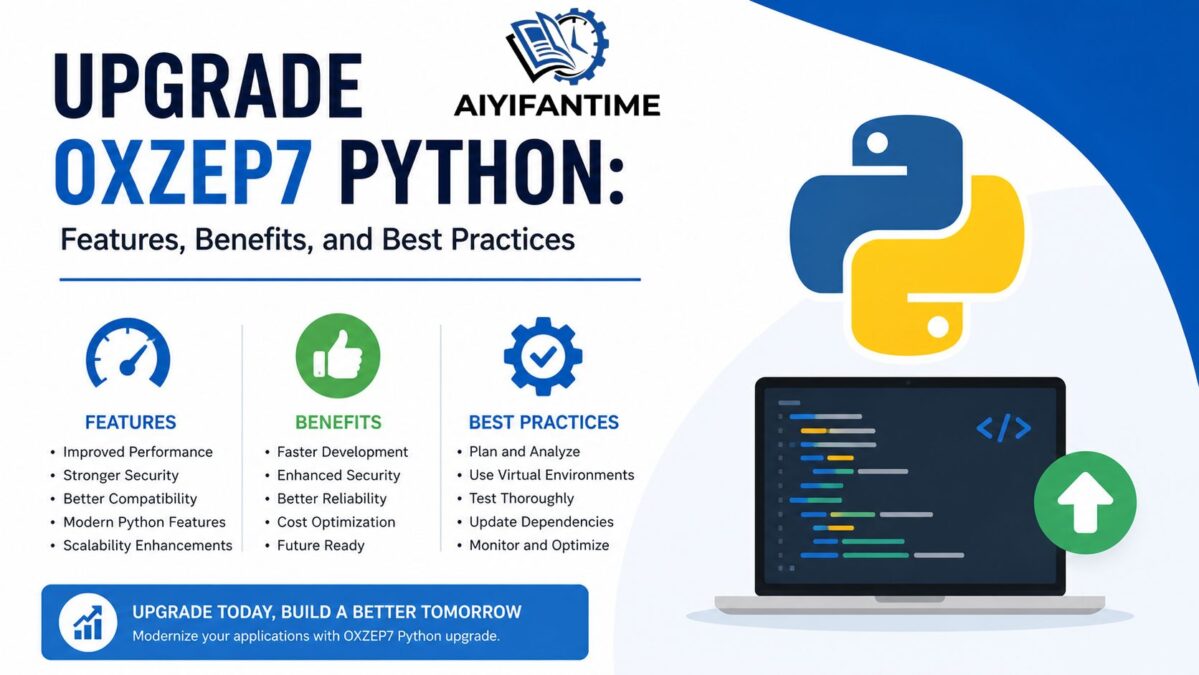

Upgrade OXZEP7 Python In today’s rapidly evolving software landscape, staying up to date with modern tools and frameworks is no longer optional it’s essential. The Upgrade OXZEP7 Python initiative represents a forward-thinking step for developers and organizations looking to enhance performance, scalability, and security in their Python-based systems. Whether you’re maintaining legacy code or building cutting-edge applications, understanding how to effectively upgrade OXZEP7 Python can significantly improve your development workflow and end results.
What is OXZEP7 Python Upgrade?
OXZEP7 Python refers to a specialized or customized Python environment, framework, or system configuration that organizations use for advanced development needs. The upgrade process typically involves moving to a newer Python version, improving dependencies, optimizing runtime performance, and introducing enhanced features tailored to modern requirements.
Upgrading OXZEP7 Python is not just about version changes it’s about future-proofing your applications, improving maintainability, and unlocking new capabilities.
Key Features of OXZEP7 Python Upgrade
One of the most noticeable improvements in the upgraded OXZEP7 Python environment is performance. The newer version leverages optimized memory management and faster execution speeds.
- Reduced latency in data processing
- Faster startup times for applications
- Improved threading and concurrency handling
This makes it especially beneficial for high-demand applications such as data analytics platforms and real-time systems.
Improved Security Standards
Security is a major concern in modern software development. The upgrade introduces:
- Stronger encryption support
- Updated SSL/TLS protocols
- Removal of deprecated and vulnerable libraries
By upgrading, developers can protect applications against emerging threats and ensure compliance with modern security standards.
Better Dependency Management
Managing dependencies is often one of the most challenging aspects of Python development. The upgraded OXZEP7 Python environment offers:
- Improved package compatibility
- Streamlined virtual environment handling
- Enhanced dependency resolution
This reduces conflicts and ensures smoother builds and deployments.
Modern Syntax and Language Features
The upgrade introduces support for modern Python features that improve code readability and efficiency:
- Cleaner syntax for complex operations
- Advanced data structures
- Improved error handling mechanisms
These features help developers write more maintainable and concise code.
Scalability Enhancements
With increasing demand for scalable systems, the upgrade supports:
- Better integration with cloud services
- Improved API performance
- Enhanced multiprocessing capabilities
This allows applications to grow seamlessly as user demand increases.
Compatibility with Latest Tools and Frameworks
The upgraded version ensures compatibility with modern development tools, libraries, and frameworks. This includes:
- Updated machine learning libraries
- Support for modern web frameworks
- Improved integration with DevOps pipelines
Benefits of Upgrading OXZEP7 Python
Developers can complete tasks faster thanks to improved performance and modern syntax. This leads to:
- Reduced development time
- Faster debugging
- Improved collaboration among teams
Long-Term Maintainability
Older systems often become difficult to maintain due to outdated dependencies. Upgrading ensures:
- Cleaner codebases
- Easier updates in the future
- Reduced technical debt
Enhanced Application Stability
With better error handling and dependency management, applications become more stable and reliable.
Competitive Advantage
Organizations that adopt modern technologies stay ahead of competitors. The OXZEP7 Python upgrade enables:
- Faster innovation
- Improved user experience
- Better scalability for growth
Cost Optimization
While upgrading requires initial effort, it reduces long-term costs by:
- Minimizing system failures
- Reducing maintenance overhead
- Improving resource utilization
Challenges in Upgrading OXZEP7 Python
While the benefits are significant, upgrading is not without challenges:
- Compatibility issues with legacy code
- Deprecated libraries or functions
- Potential downtime during migration
- Learning curve for new features
Understanding these challenges helps in planning a smoother transition.
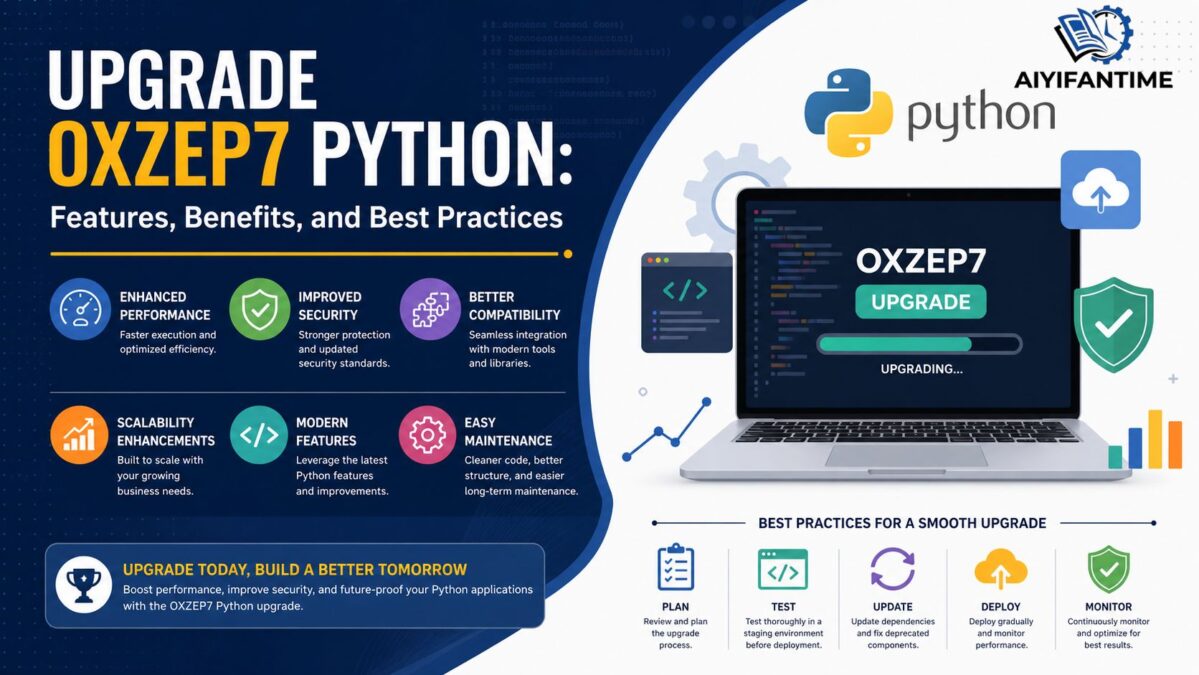
Best Practices for Upgrading OXZEP7 Python
Before starting the upgrade:
- Identify outdated libraries
- Analyze dependencies
- Check for deprecated functions
This helps you understand what needs to be updated.
Use Virtual Environments
Always perform upgrades in isolated environments to avoid breaking existing systems.
- Create test environments
- Install updated dependencies
- Validate functionality before deployment
Test Extensively
Testing is critical to ensure stability:
- Unit testing for individual components
- Integration testing for system behavior
- Performance testing for speed improvements
Automated testing tools can significantly simplify this process.
Update Dependencies Gradually
Avoid upgrading everything at once. Instead:
- Update critical dependencies first
- Monitor system behavior
- Resolve conflicts step by step
Maintain Backup and Rollback Plans
Always prepare for unexpected issues:
- Backup existing systems
- Create rollback strategies
- Document the upgrade process
Train Your Development Team
New features and changes require adaptation:
- Conduct training sessions
- Share documentation
- Encourage knowledge sharing
Monitor Post-Upgrade Performance
After deployment:
- Track system performance
- Monitor error logs
- Gather user feedback
This ensures that the upgrade delivers the expected results.
Common Mistakes to Avoid
- Skipping testing phases
- Ignoring deprecated features
- Upgrading without a plan
- Not documenting changes
- Overlooking security updates
Avoiding these mistakes can save time and prevent costly errors.
Future Scope of OXZEP7 Python
The future of OXZEP7 Python upgrades looks promising, with continuous improvements expected in:
- AI and machine learning integration
- Cloud-native development
- Automation and DevOps compatibility
- Enhanced performance optimization
Organizations that regularly upgrade will remain adaptable and ready for future technological advancements.
The OXZEP7 Python upgrade refers to updating an existing Python environment or system configuration to a newer, more advanced version. It includes improvements in performance, security, compatibility, and modern development features.
Upgrading ensures your system remains secure, efficient, and compatible with the latest tools. It helps reduce bugs, improves speed, and allows you to take advantage of modern programming features.
The difficulty depends on the size and complexity of your project. Small projects may upgrade easily, while larger systems may require careful planning, testing, and dependency management.
Conclusion
The Upgrade OXZEP7 Python process is a powerful step toward modernizing your development environment. With enhanced performance, improved security, better scalability, and access to modern features, the upgrade offers significant advantages for both developers and organizations.
However, success depends on careful planning, thorough testing, and adherence to best practices. By following the strategies outlined in this guide, you can ensure a smooth transition and unlock the full potential of your Python ecosystem.