
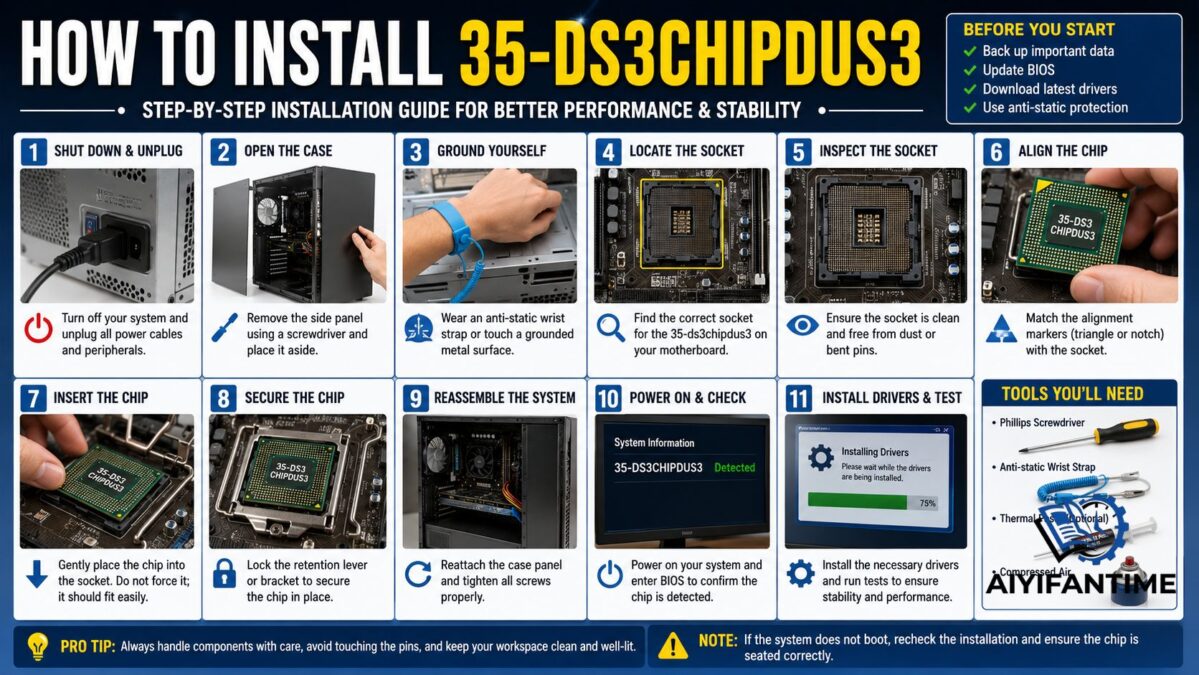

How to Install 35-ds3chipdus3 can significantly improve system performance, stability, and compatibility when completed correctly. Whether you are a beginner or an experienced technician, understanding the proper installation process is essential to avoid hardware issues and ensure the component functions as intended. This comprehensive guide explains everything you need to know about how to install 35-ds3chipdus3 safely and efficiently.
How to Install 35-ds3chipdus3?
The How to Install 35-ds3chipdus3 is a specialized hardware component designed to enhance communication between critical system components. It helps improve data transfer efficiency, system responsiveness, and overall operational stability. Many users install this component when upgrading older systems or optimizing existing hardware for better performance.
Proper installation is crucial because incorrect placement or configuration may lead to startup failures, performance issues, or hardware conflicts. By following the correct procedures, you can maximize the benefits of the 35-ds3chipdus3 and extend the lifespan of your system.
Benefits of How to Install 35-ds3chipdus3
Before beginning the installation process, it is helpful to understand the advantages of this component.
Improved System Performance
The How to Install 35-ds3chipdus3 helps optimize communication between hardware modules, resulting in faster processing speeds and reduced latency.
Better Stability
Many users experience fewer crashes and improved system reliability after installation.
Enhanced Compatibility
The component can improve support for modern software applications and hardware devices.
Energy Efficiency
Optimized data handling often reduces power consumption and heat generation.
Cost-Effective Upgrade
Instead of replacing an entire computer system, How to Install 35-ds3chipdus3 can provide noticeable performance improvements at a lower cost.
Tools Required for Installation
Before opening your computer or device, gather the necessary tools.
Essential Tools
- Phillips screwdriver
- Anti-static wrist strap
- Thermal paste (if required)
- Soft cleaning cloth
- Compressed air can
- Flashlight
- Component manual
- Cable ties
Having all required tools available before starting can make the installation process smoother and safer.
Pre-Installation Checklist
Preparation is one of the most important parts of a successful installation.
Verify Compatibility
Check that your motherboard and system support the specific version of the How to Install 35-ds3chipdus3 you intend to install.
Backup Important Data
Although hardware installation should not affect stored files, creating a backup is always recommended.
Update BIOS
If applicable, update your motherboard BIOS to the latest version before installation.
Download Required Drivers
Save any necessary drivers or software updates before disconnecting your system.
Create a Clean Workspace
Use a clean, well-lit, and static-free environment.
Safety Precautions
Hardware components are sensitive and can be damaged by improper handling.
Disconnect Power
Always turn off the system and unplug all power cables before opening the device.
Prevent Static Damage
Wear an anti-static wrist strap or regularly touch a grounded metal object.
Handle Components Carefully
Avoid touching gold contacts, pins, or circuitry directly.
Work Slowly
Rushing often leads to mistakes that can damage components.
Step-by-Step Guide to Install 35-ds3chipdus3
Follow these instructions carefully for a successful installation.
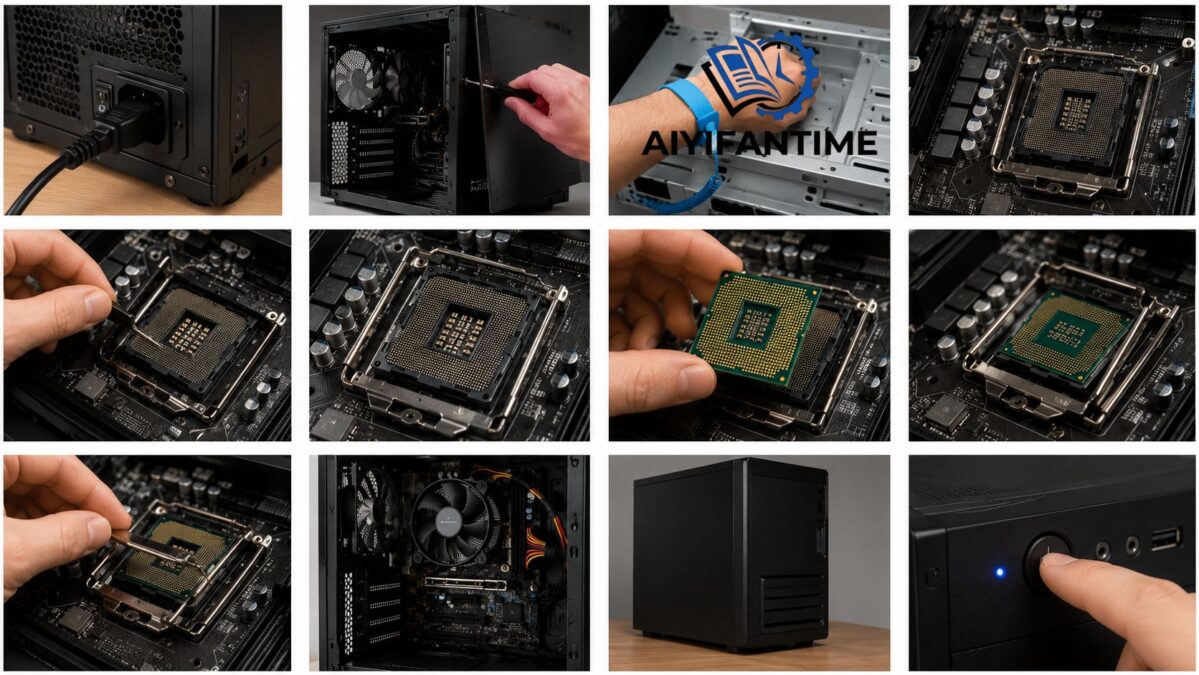
Shut Down the System
Completely power down your computer or device.
Disconnect:
- Power cable
- Monitor
- USB devices
- Network cables
- External storage devices
Wait several minutes for any residual power to discharge.
Open the Device Case
Use a screwdriver to remove the side panel or case cover.
Store screws in a safe location to avoid losing them.
Place the case cover aside carefully.
Ground Yourself
Attach your anti-static wrist strap to a grounded surface.
This simple step helps prevent electrostatic discharge from damaging sensitive electronics.
Locate the Installation Area
Consult your motherboard manual to identify the correct location for the 35-ds3chipdus3.
Common installation points include areas near:
- CPU socket
- Memory slots
- Chipset region
- Expansion connectors
Verify the location before proceeding.
Remove Existing Component (If Applicable)
If replacing an older chip:
- Release locking clips carefully
- Remove screws if present
- Lift the component gently
- Store it in an anti-static bag
Never force removal.
Inspect the Socket
Examine the installation socket for:
- Dust buildup
- Bent pins
- Physical damage
- Debris
Use compressed air if cleaning is required.
Align the How to Install 35-ds3chipdus3
Proper alignment is critical.
Look for:
- Alignment markers
- Notches
- Pin indicators
- Directional arrows
Match these indicators with the socket.
Insert the Component
Carefully place the How to Install 35-ds3chipdus3 into the designated slot.
Apply gentle, even pressure.
Never force the component into position.
A properly installed component should fit securely without excessive force.
Secure the Installation
If your model includes:
- Screws
- Retention clips
- Mounting brackets
Secure them according to manufacturer specifications.
Avoid over-tightening screws.
Reassemble the System
Replace:
- Case panels
- Covers
- Internal shields
Reconnect all cables and accessories.
Ensure everything is firmly connected.
Power On the Device
Reconnect the power supply and turn on the system.
Watch for:
- Normal startup sequence
- BIOS detection
- System stability
- Error messages
Successful booting is a good indication that installation was completed correctly.
Installing Drivers and Software
Some versions of the 35-ds3chipdus3 may require additional software.
Driver Installation Steps
- Download the latest driver package.
- Launch the installer.
- Follow on-screen instructions.
- Accept licensing terms.
- Complete installation.
- Restart the computer.
Verify Driver Installation
Open Device Manager or your operating system’s hardware utility to confirm recognition of the new component.
Testing the Installation
After installation, run several tests.
Hardware Detection
Verify the system recognizes the component.
Performance Testing
Use benchmarking software to compare performance before and after installation.
Temperature Monitoring
Monitor operating temperatures to ensure proper cooling.
Stability Testing
Run stress tests and demanding applications to verify stable operation.
Common Installation Problems and Solutions
System Does Not Boot
Possible Causes:
- Improper seating
- Loose connections
- Incompatible hardware
Solution:
Remove and reinstall the component carefully.
Hardware Not Detected
Possible Causes:
- Missing drivers
- BIOS settings
- Faulty connection
Solution:
Update drivers and verify BIOS configuration.
Random Crashes
Possible Causes:
- Overheating
- Driver conflicts
- Incorrect installation
Solution:
Check cooling systems and reinstall drivers.
Performance Issues
Possible Causes:
- Outdated firmware
- Driver problems
- Incorrect settings
Solution:
Update all software and firmware components.
Maintenance Tips After Installation
To keep your system performing at its best:
Clean Regularly
Remove dust from internal components every few months.
Monitor Temperatures
High temperatures can reduce hardware lifespan.
Update Drivers
Install updated drivers whenever available.
Inspect Connections
Periodically verify that all components remain securely connected.
Perform Routine Diagnostics
Run hardware health checks to detect potential issues early.
Best Practices for Long-Term Performance
Following these recommendations can help maximize the value of your installation.
- Keep your operating system updated.
- Use quality power supplies.
- Avoid excessive overclocking.
- Maintain adequate airflow.
- Install security updates regularly.
- Monitor system logs for unusual activity.
The 35-ds3chipdus3 is a specialized hardware component designed to improve system communication, stability, and overall performance when properly installed.
No. Beginners can install it successfully by carefully following the installation instructions and observing proper safety precautions.
Common tools include a Phillips screwdriver, anti-static wrist strap, compressed air, and a clean workspace. Some systems may also require thermal paste.
Final Thoughts
Learning how to install 35-ds3chipdus3 correctly can significantly improve system performance, reliability, and hardware compatibility. The key to success lies in proper preparation, careful handling, and following each installation step methodically.
By verifying compatibility, using the correct tools, observing safety precautions, and testing the system after installation, you can complete the process with confidence. Whether upgrading an older computer or enhancing a newer system, a properly How to Install 35-ds3chipdus3 can provide lasting improvements and a smoother computing experience.