
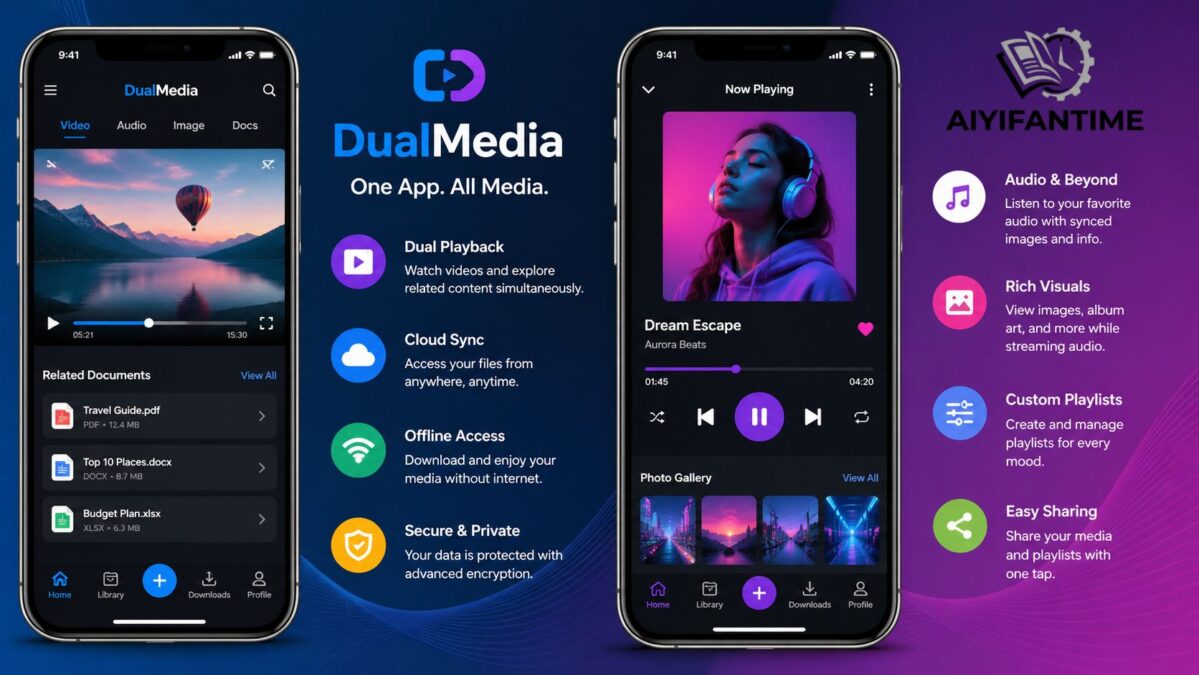

In today’s fast-paced digital world, users demand speed, convenience, and versatility from their Application Mobile Dualmedia. Whether it’s for entertainment, business, or communication, modern users expect apps that can handle multiple types of media effortlessly. This is where the concept of a Application Mobile Dualmedia comes into play. A DualMedia app is designed to integrate and manage two or more types of media such as video, audio, images, and text within a single, unified platform.
What is a Application Mobile Dualmedia?
A Application Mobile Dualmedia is a platform that allows users to interact with and manage multiple forms of media simultaneously. Unlike traditional apps that focus on a single media type (like a music player or video streaming app), DualMedia apps combine functionalities such as streaming video while displaying related text content, or editing images alongside audio narration.
This hybrid approach enhances user experience by offering more flexibility and engagement within a single application environment.
Key Features of Application Mobile Dualmedia
1. Multi-Format Media Support
DualMedia apps are built to support various media formats, including:
- Video (MP4, AVI, MKV)
- Audio (MP3, WAV, AAC)
- Images (JPEG, PNG, GIF)
- Text (PDF, DOC, HTML)
This versatility ensures users don’t need multiple apps for different content types.
2. Real-Time Media Synchronization
One of the standout features is the ability to synchronize different media formats in real-time. For example:
- Watching a video while reading subtitles or related articles
- Listening to audio commentary while viewing images or slides
3. User-Friendly Interface
A clean, intuitive interface is essential. DualMedia apps often feature:
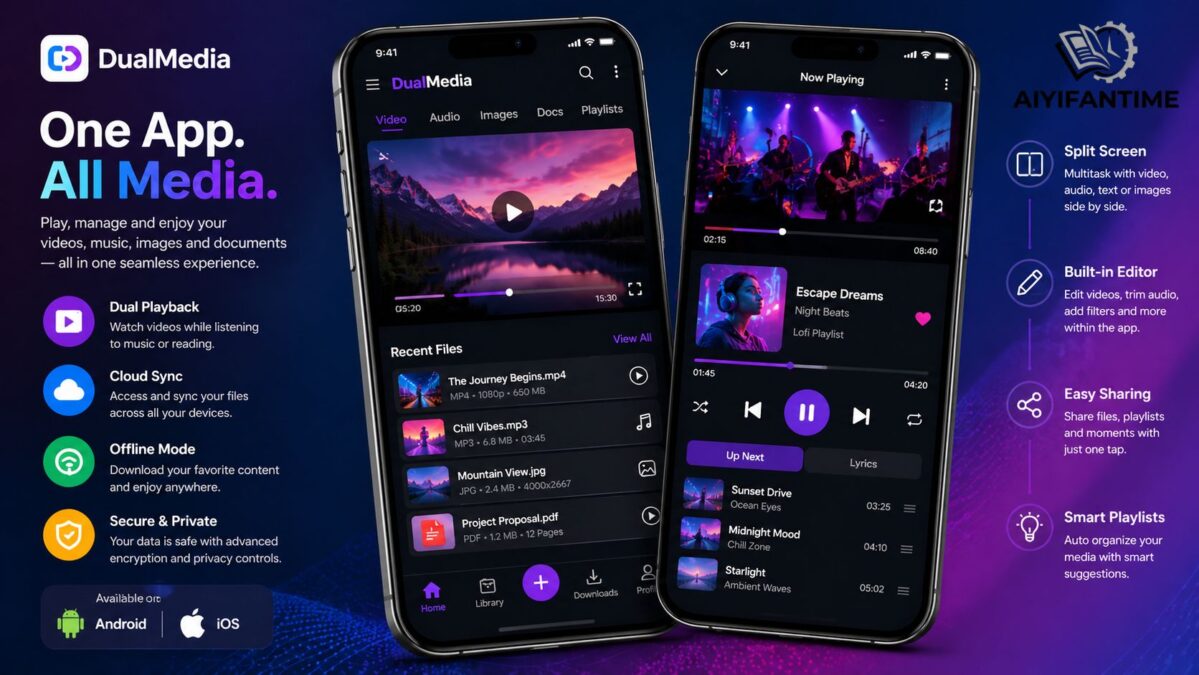
- Split-screen functionality
- Drag-and-drop media handling
- Gesture-based controls
4. Cloud Integration
Modern DualMedia apps integrate with cloud storage services, allowing users to:
- Access files from anywhere
- Sync content across devices
- Share media easily
5. Offline Accessibility
Users can download media for offline use, making the app useful even without an internet connection.
6. Advanced Editing Tools
Some DualMedia apps include built-in editing features such as:
- Video trimming and merging
- Audio mixing
- Image filters and overlays
Benefits of Using a Application Mobile Dualmedia
Enhanced User Experience
By combining multiple media types, users enjoy a richer and more interactive experience. For instance, educational apps can integrate video lectures with text notes and audio explanations.
Time Efficiency
Instead of switching between multiple apps, users can perform various tasks within a single platform, saving time and effort.
Increased Engagement
Interactive features such as synchronized media playback and multi-format content keep users engaged longer.
Cost-Effective Solution
For businesses and developers, creating one comprehensive app is often more cost-effective than developing multiple single-purpose applications.
Use Cases of Application Mobile Dualmedia
1. Education and E-Learning
DualMedia apps are revolutionizing education by offering:
- Video lectures with interactive notes
- Audio explanations alongside visual diagrams
- Real-time quizzes and feedback
2. Entertainment and Streaming
Streaming platforms can enhance user experience by:
- Providing behind-the-scenes content alongside videos
- Displaying lyrics while playing music
- Offering interactive storytelling
3. Social Media Platforms
Modern social apps leverage DualMedia capabilities by allowing users to:
- Post videos with captions and audio overlays
- Share multimedia stories
- Engage with interactive content
4. Business and Productivity
Professionals can use DualMedia apps for:
- Presentations combining slides, audio, and video
- Collaborative projects with shared media files
- Real-time communication with multimedia support
5. Marketing and Advertising
Marketers benefit from DualMedia apps by:
- Creating interactive ads
- Combining video promotions with clickable text
- Tracking user engagement across multiple media formats
Advantages of Application Mobile Dualmedia
From a digital marketing perspective, DualMedia apps offer several benefits:
Improved User Retention
Engaging multimedia content keeps users on the platform longer, reducing bounce rates.
Better Content Visibility
Combining text with video and audio improves content discoverability in search engines.
Enhanced Mobile Optimization
Search engines prioritize mobile-friendly applications, and DualMedia apps are designed with mobile-first principles.
Increased Sharing Potential
Multimedia content is more likely to be shared on social platforms, driving organic traffic.
Challenges in Developing DualMedia Applications
While the benefits are significant, there are also challenges developers must address:
Performance Optimization
Handling multiple media types simultaneously can strain device resources. Developers must ensure smooth performance across various devices.
Storage and Data Usage
Media-rich applications require more storage and data bandwidth, which can be a concern for users with limited resources.
Compatibility Issues
Ensuring compatibility across different operating systems and devices is crucial.
Security Concerns
With multiple media integrations, protecting user data and preventing unauthorized access becomes more complex.
Best Practices for Building a Application Mobile Dualmedia
1. Focus on User Experience
Design the app with simplicity and usability in mind. Avoid clutter and ensure easy navigation.
2. Optimize Performance
Use efficient coding practices and compression techniques to minimize load times and resource usage.
3. Ensure Cross-Platform Compatibility
Develop apps that work seamlessly on both Android and iOS devices.
4. Implement Strong Security Measures
Protect user data with encryption and secure authentication methods.
5. Regular Updates and Maintenance
Continuously improve the app by fixing bugs and adding new features based on user feedback.
Future Trends in Application Mobile Dualmedia
The future of DualMedia apps looks promising, with emerging technologies set to enhance their capabilities:
Artificial Intelligence (AI)
AI can personalize content by analyzing user preferences and behavior.
Augmented Reality (AR) and Virtual Reality (VR)
These technologies will enable immersive multimedia experiences.
5G Technology
Faster internet speeds will allow seamless streaming and real-time synchronization of high-quality media.
Voice and Gesture Control
Advanced interaction methods will make apps more intuitive and accessible.
A DualMedia mobile application is a platform that allows users to interact with two or more types of media—such as video, audio, images, and text within a single app. It provides a seamless experience by integrating multiple content formats together.
Traditional mobile apps typically focus on one type of media (e.g., only video or only audio), while DualMedia apps combine multiple media formats in one place. This allows users to multitask, such as watching a video while reading related content.
Key features include:
- Multi-format media support
- Real-time synchronization of audio, video, and text
- Split-screen or interactive interface
- Cloud storage integration
- Offline access
- Built-in editing tools
Conclusion
The Application Mobile Dualmedia represents a significant evolution in how users interact with digital content. By combining multiple media formats into a single platform, these apps offer unmatched convenience, engagement, and functionality.
From education and entertainment to business and marketing, DualMedia apps are transforming industries and redefining user expectations. As technology continues to advance, the potential for these applications will only grow, making them a crucial component of the future mobile ecosystem.