
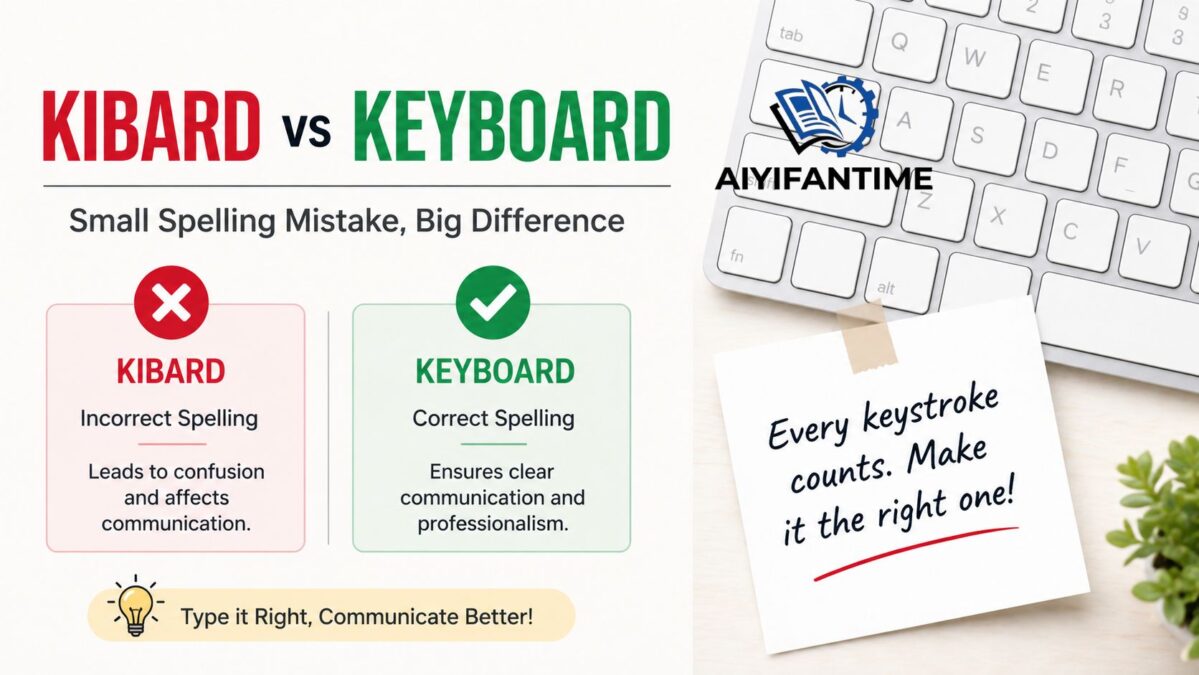

In today’s fast-paced digital world, even the smallest typo can reveal a lot about how we interact with technology. One such example is the word kibard a frequent misspelling of “keyboard.” While it may seem like a minor error, this simple mistake highlights deeper insights into human behavior, typing habits, language evolution, and the essential role keyboards play in our daily lives.
What Is a Keyboard and Why Is It Important?
A keyboard is one of the most fundamental input devices used with computers, laptops, tablets, and even smartphones (in virtual form). It allows users to input text, commands, and data into a system efficiently.
From writing emails and coding software to chatting on social media and searching the web, keyboards are central to nearly every digital task. Without them, interacting with technology would be far more complicated and time-consuming.
The Rise of the Kibard Misspelling
The word kibard is not officially recognized in any dictionary. It is a phonetic or typographical error of the word “keyboard.” Despite being incorrect, it appears surprisingly often in online searches and informal writing.
Why Do People Type Kibard?
There are several reasons behind this common mistake:
1. Typing Speed and Errors
Many users type quickly without looking at the keyboard. This increases the chances of hitting the wrong keys, especially when fingers are slightly misaligned.
2. Phonetic Confusion
Some people spell words based on how they sound. Since “keyboard” can be pronounced quickly or unclearly, it may be interpreted as “kibard.”
3. Lack of Familiarity with English Spelling
For non-native English speakers, spelling can be tricky. Words like “keyboard” don’t always follow simple phonetic rules, leading to variations like kibard.
4. Mobile and Touchscreen Typing
Typing on smartphones increases the likelihood of errors due to small keys and autocorrect mishaps. Sometimes autocorrect doesn’t fix the word properly, or users ignore the correction.
Why This Misspelling Matters
At first glance, kibard may seem harmless. However, such errors can have broader implications, especially in professional and digital contexts.
Impact on Communication
Spelling mistakes can affect clarity and credibility. In formal communication like emails, resumes, or business documents errors may create a negative impression.
Learning and Education
Frequent exposure to incorrect spellings can reinforce bad habits, especially among students or early learners. Correct usage is essential for strong language skills.
The Evolution of Keyboards
To fully understand the importance of keyboards, it helps to look at how they have evolved over time.
1. Mechanical Typewriters
The earliest keyboards originated from typewriters in the 19th century. These devices used mechanical keys to imprint letters onto paper.
2. QWERTY Layout
The standard keyboard layout QWERTY was designed to reduce jamming in typewriters. Today, it remains the most widely used layout worldwide.
3. Digital Keyboards
Modern keyboards are electronic and connect via USB or Bluetooth. They include additional features like shortcut keys, backlighting, and ergonomic designs.
4. Virtual Keyboards
With the rise of smartphones and tablets, virtual keyboards have become common. These touchscreen keyboards adapt to user behavior and include predictive text features.
Types of Keyboards
Understanding different types of keyboards can help users choose the best option for their needs.
Mechanical Keyboards
Known for their durability and tactile feedback, these are popular among gamers and professionals.
Membrane Keyboards
More affordable and quieter, these are commonly used in offices and homes.
Ergonomic Keyboards
Designed to reduce strain on hands and wrists, ideal for long typing sessions.
Gaming Keyboards
Feature customizable keys, RGB lighting, and faster response times.
Virtual Keyboards
Used on smartphones and tablets, offering flexibility and portability.
How to Improve Typing Accuracy
Avoiding mistakes like kibard starts with improving typing skills. Here are some practical tips:
1. Learn Touch Typing
Touch typing allows you to type without looking at the keyboard, increasing speed and accuracy over time.
2. Practice Regularly
Use typing practice tools and exercises to build muscle memory.
3. Use Spell Check
Always enable spell-check features to catch errors before sending or publishing text.
4. Slow Down
Typing too fast can lead to mistakes. Focus on accuracy first, then speed.
5. Check Your Work
Proofreading is essential, especially for professional communication.
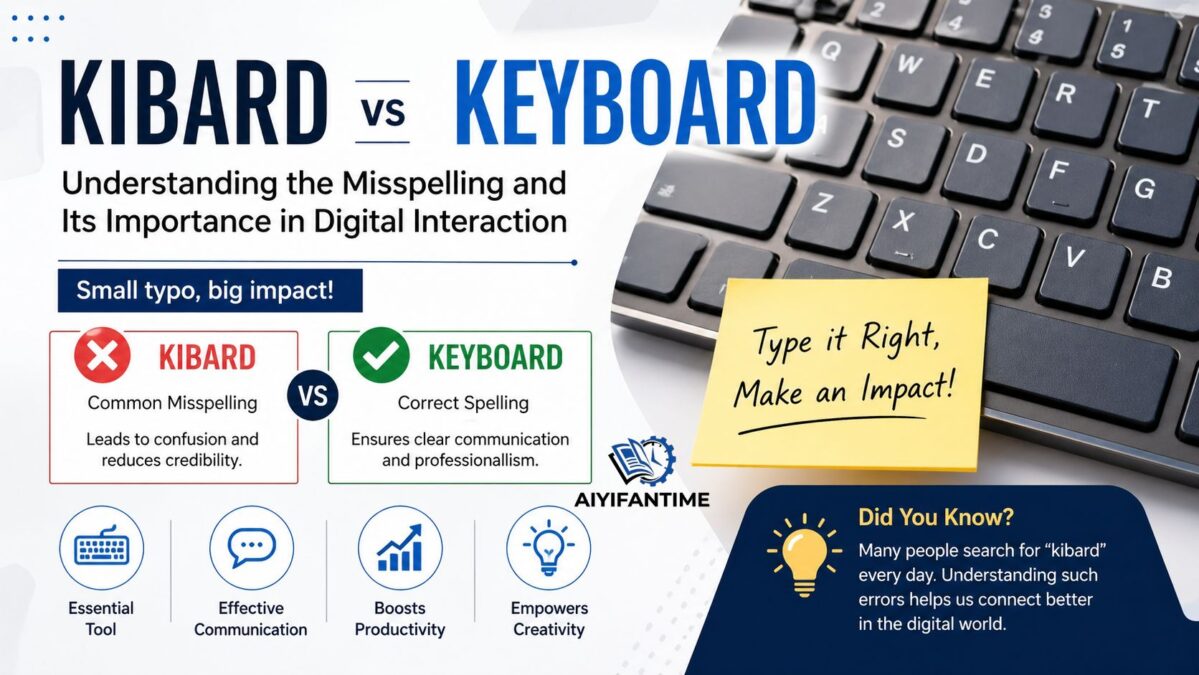
The Role of Keyboards in Digital Interaction
Keyboards are more than just tools they shape how we communicate and interact online.
1. Communication
From emails to instant messaging, keyboards enable real-time communication across the globe.
2. Productivity
Efficient typing improves productivity in work, education, and daily tasks.
3. Creativity
Writers, programmers, designers, and content creators rely heavily on keyboards to bring ideas to life.
4. Accessibility
Specialized keyboards help individuals with disabilities interact with technology more easily.
Benefits of Targeting Misspellings
- Captures additional search traffic
- Helps guide users to correct information
- Improves visibility in search engines
However, it’s important to use such keywords naturally and always provide correct information alongside them.
Language Technology and Human Error
The kibard phenomenon highlights an interesting intersection between language and technology. It shows how:
- Humans rely on muscle memory when typing
- Language evolves through usage and mistakes
- Technology both corrects and contributes to errors
Rather than viewing such mistakes negatively, they can be seen as part of the learning process in a digital world.
“Kibard” is a common misspelling of the word keyboard. It has no official meaning in English but often appears due to typing errors or phonetic spelling.
This usually happens بسبب (because of) fast typing, incorrect finger placement, or unfamiliarity with English spelling. On mobile devices, small keys and autocorrect issues can also contribute to the mistake.
No, “kibard” is not a recognized word in dictionaries. It is simply a typo or variation of “keyboard.”
Conclusion
While kibard may simply be a misspelling of keyboard, it represents much more than a typing error. It reflects how people interact with technology, the challenges of language, and the importance of accurate communication in the digital age.
Keyboards remain an essential tool in modern life, enabling everything from basic communication to complex creative work. By improving typing skills and understanding common mistakes, users can enhance both their efficiency and credibility online.